From Gilded Age infrastructure to beloved neighborhood icon — how the Compton Hill Water Tower became what she is today.
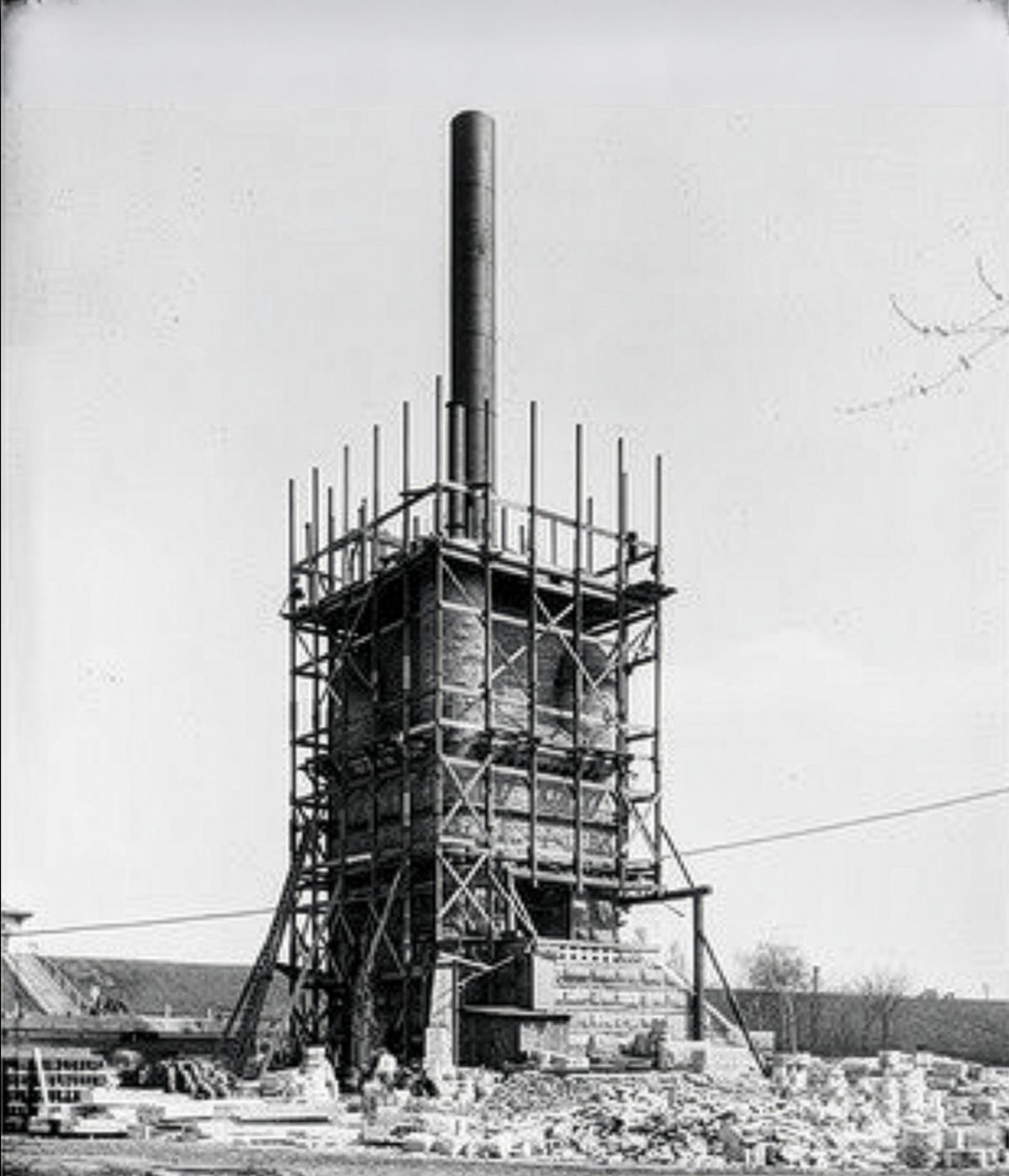
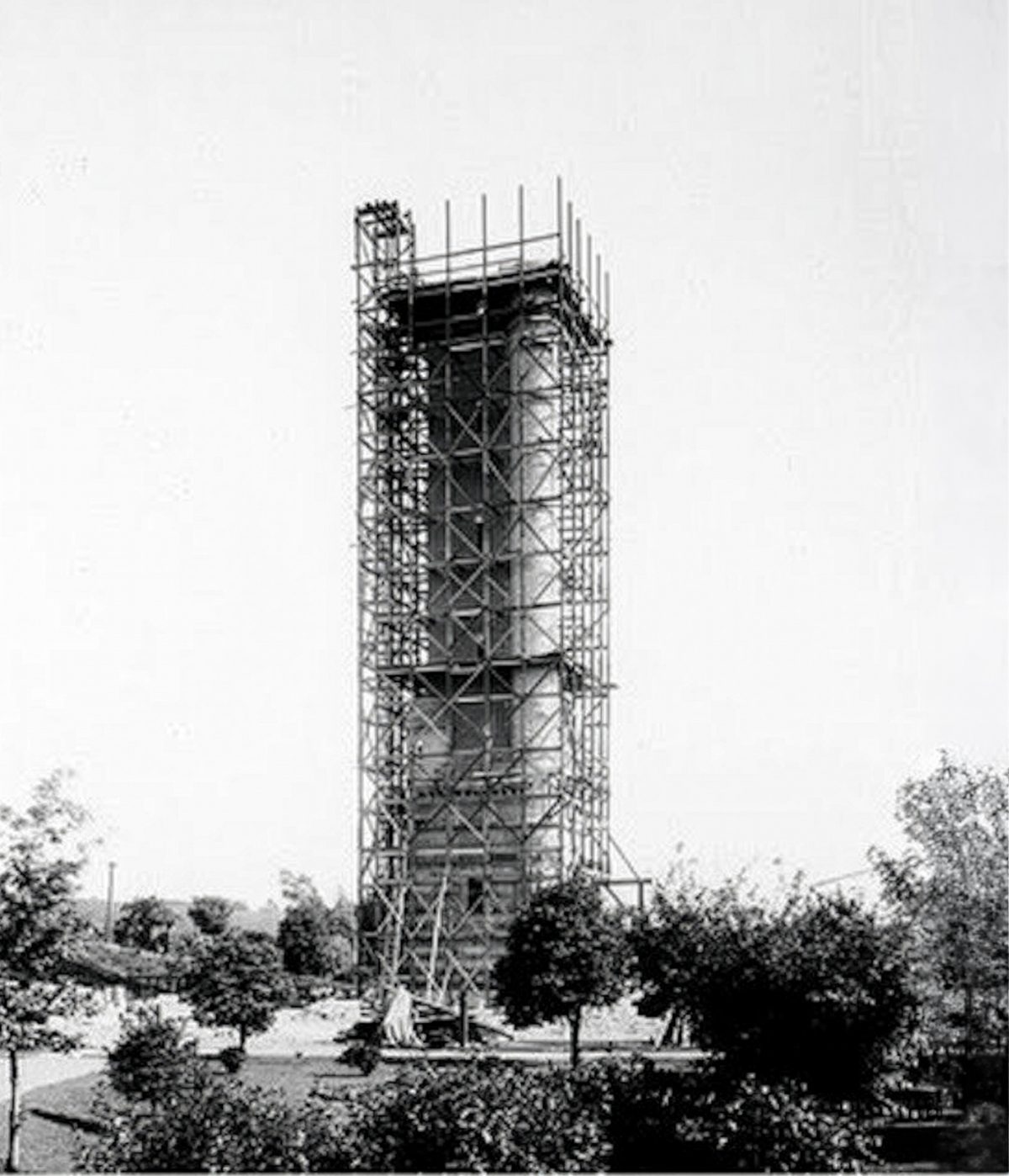
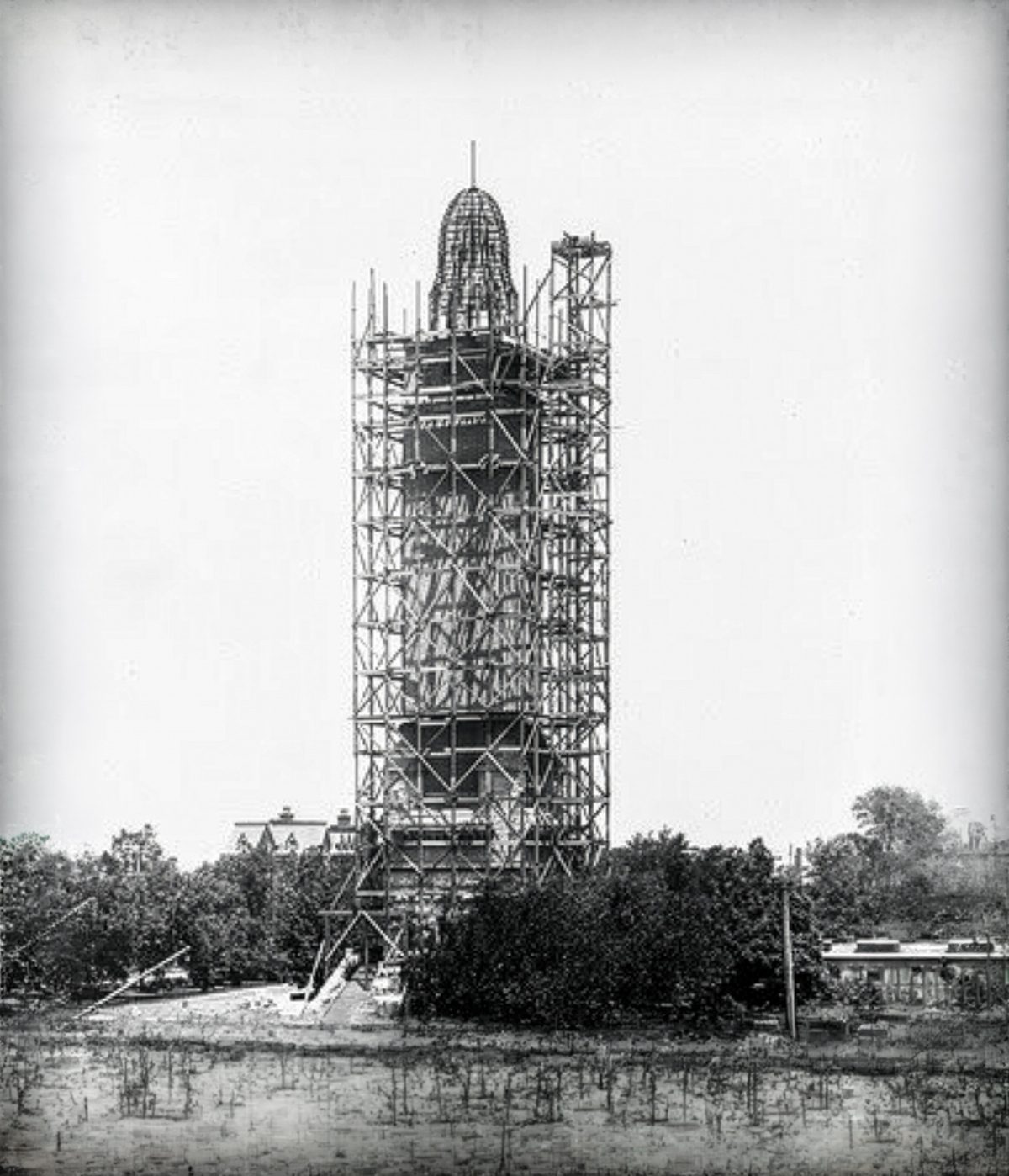
By the 1890s, St. Louis was one of the fastest-growing cities in America. The new pumping stations along the river couldn't move water uphill fast enough to reach the neighborhoods on higher ground — so engineers built standpipe towers to equalize pressure and keep taps flowing in every home.
But this wasn't just a utility. The city commissioned architect Harvey Ellis — one of the most celebrated designers of his era — to turn a functional piece of infrastructure into a public monument. The result, completed in 1898, is the tower we know today: Romanesque in silhouette, terra cotta in detail, and unmistakable on the skyline.
Key moments in the life of the Compton Hill Water Tower.
St. Louis Water Department commissions a new standpipe for the Compton Heights neighborhood to solve pressure issues for houses on the ridge.
Designed by Harvey Ellis and built in Indiana limestone, brick, and Alabama terra cotta. Dedicated to the residents of Compton Heights.
New pumping technology makes the standpipe obsolete. The city keeps the tower standing as a memorial and architectural landmark.
Added to the National Register of Historic Places — recognized as one of the last remaining 19th-century standpipe water towers in the country.
A community-funded centennial restoration repairs the roof and spire. The tower is relit for the first time in decades.
A preservation survey identifies water damage, spalling terra cotta, and erosion of the limestone base. Urgent repair work is needed.
Water Tower & Park Preservation Society is founded by neighborhood residents to raise $8M and lead Phase 1 stabilization work.
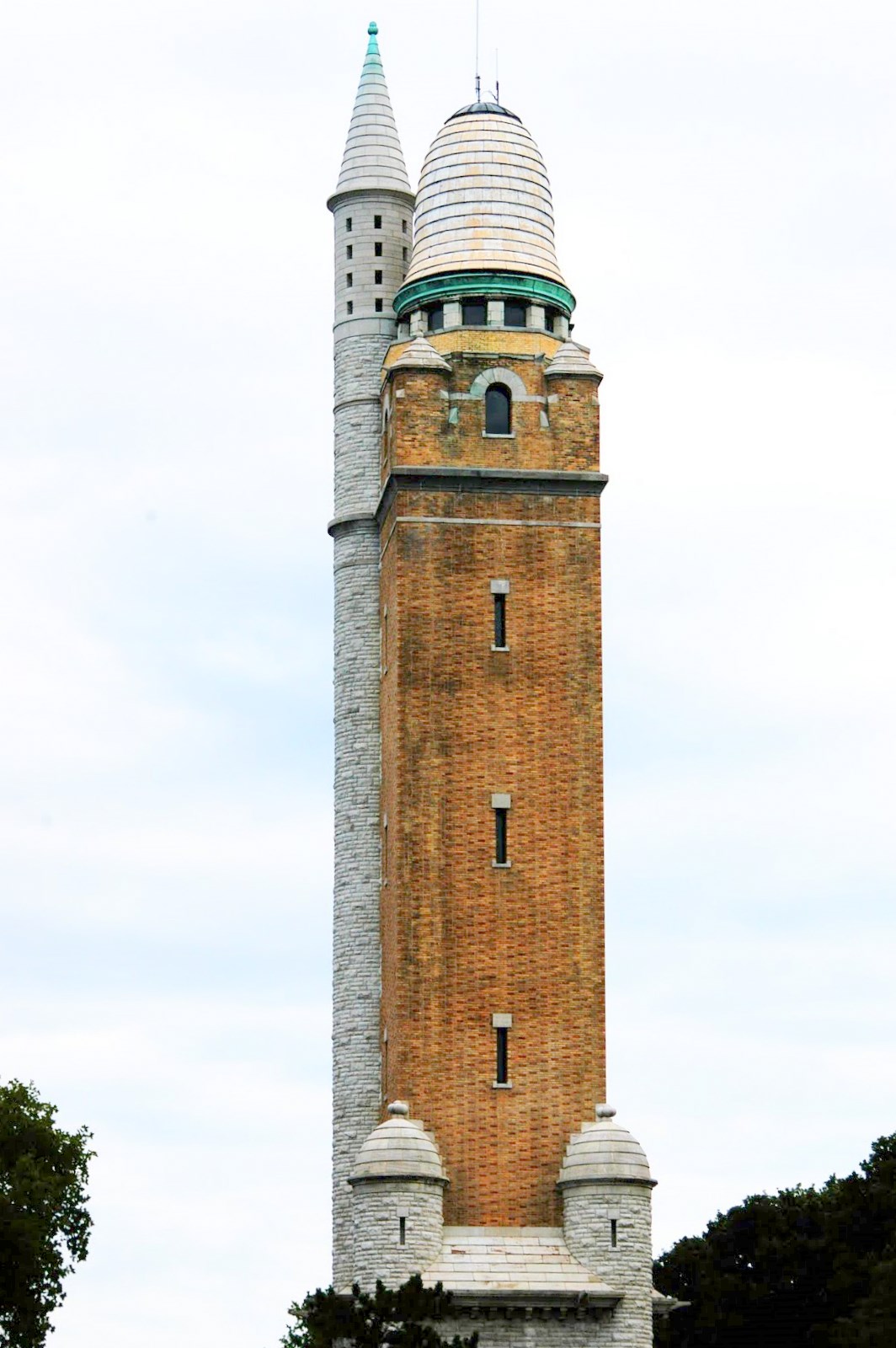
At 179 feet from ground to spire, the tower is built in a Romanesque Revival style, but the details betray Ellis's love of craftsmanship: arched window surrounds, carved limestone capitals, and a crown of terra cotta that shifts color in different light.
Inside the shaft, a 100-foot standpipe once rose — a column of water pressurized by the pumping stations below. The outer shell was designed so that the public would see beauty where engineers saw utility. Ellis was explicit about this: in letters, he called the project "an experiment in giving dignity to civic infrastructure."
Today, the tower is the only intact Harvey Ellis standpipe still standing — a singular artifact of a specific moment in American design.
Demolishing her would erase a physical connection to the engineers and architects who built the 19th-century American city. No photograph can replace standing beneath her.
The only intact Harvey Ellis standpipe remaining. Scholars of American architecture travel here specifically to see her. Her loss would be a loss to the field.
Block parties, first dates, family photos, wedding proposals. Her silhouette appears in thousands of memories — she's the most-loved building most of us will ever know.
Our phased restoration plan was developed with specialist conservators and approved by the city's preservation board. Take a look at what we're proposing and how funds will be used.
See the plan & donate